
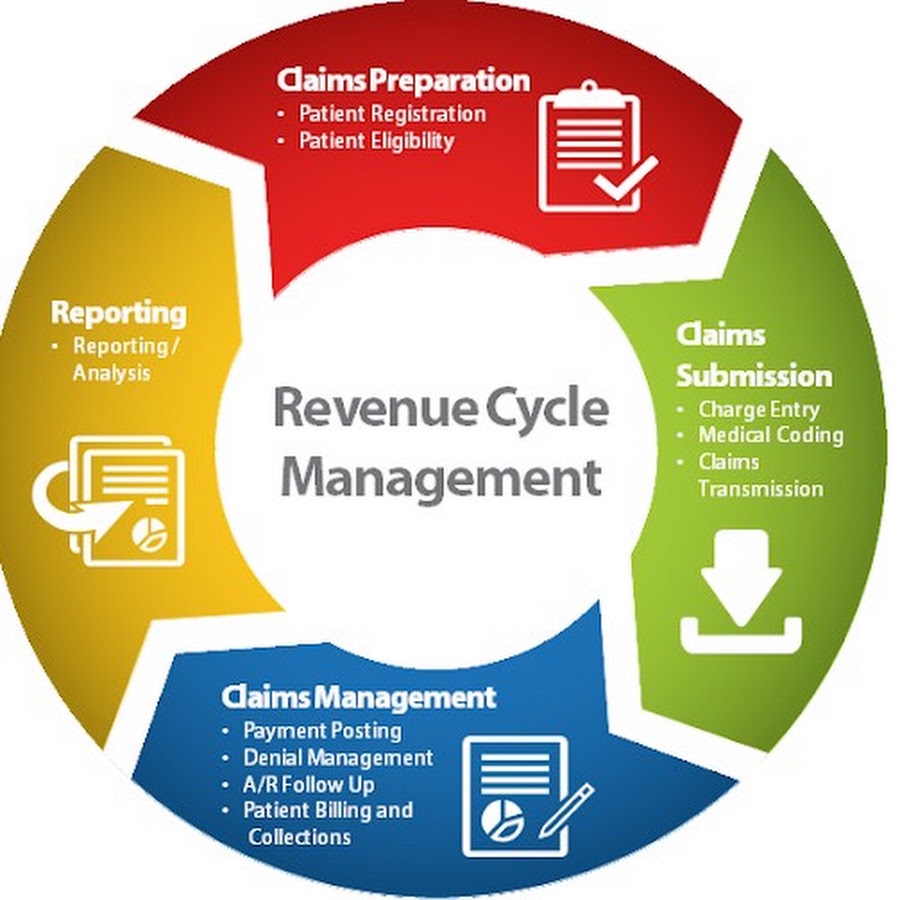
When physicians think about their revenue cycle, the billing department is often the first area that comes to mind.
But the financial process begins much earlier.
Before a claim is created or submitted to an insurance payer, the front office has already collected important information about the patient, insurance coverage, demographics, and appointment. The accuracy of that information can directly influence what happens later in the billing process.
This is why front office training can play an important role in strengthening a medical practice’s revenue cycle.
Well-trained front-office staff can help create a stronger foundation for billing, reduce avoidable administrative problems, and improve the overall patient experience.
Why the Front Office Matters to the Revenue Cycle
The front office is often the first point of contact between a patient and the medical practice.
Staff may be responsible for collecting demographic information, reviewing insurance details, scheduling appointments, communicating financial information, and completing other administrative tasks.
Although these responsibilities may appear separate from billing, they are closely connected.
An error at the front end can follow the patient account through multiple stages of the revenue cycle.
For example, inaccurate information collected during registration may later contribute to claim processing problems or patient billing confusion.
Training Helps Staff Understand Their Financial Role
Front-office employees may not be responsible for submitting claims, but their work can influence whether those claims are processed successfully.
Training can help staff understand how their responsibilities connect to the broader revenue cycle.
When employees understand why accurate information matters, they may be more likely to recognize potential problems before they reach the billing department.
This creates a more coordinated workflow between the front office and billing team.
Insurance Information Requires Attention to Detail
Insurance information is one of the most important areas for front-office staff to handle carefully.
Patients may have changed insurance plans, multiple coverage sources, or updated policy information since their previous visit.
If outdated information remains in the system, the billing team may later need to spend additional time correcting the account.
Training can help staff understand the importance of keeping insurance information current and following the practice’s procedures for reviewing it.
Patient Demographics Should Be Accurate
Basic patient information is another important part of the revenue cycle.
Names, dates of birth, addresses, contact information, and other demographic details should be entered accurately and maintained appropriately.
Even small data-entry errors can create additional work later.
A consistent registration process can help reduce these avoidable issues.
Front Office Staff Also Influence Patient Responsibility
Patients may have financial responsibilities associated with their insurance coverage.
These can include deductibles, copays, and coinsurance.
While front-office staff should follow the practice’s specific policies and procedures when communicating financial information, appropriate training can help them understand common terminology and explain the information more clearly.
This can help reduce confusion and prepare patients for their financial responsibilities.
Better Training Can Reduce Rework
When information is incomplete or inaccurate, someone usually has to fix it.
That may mean a billing employee researching an account, contacting another department, updating information, or correcting a claim.
Repeated rework consumes staff time.
Training front-office employees to follow consistent procedures can help prevent some problems before they reach later stages of the revenue cycle.
The goal is not to eliminate every error. Rather, it is to reduce preventable errors and create a more reliable process.
Communication Between Front Office and Billing Matters
A strong revenue cycle requires communication across departments.
The front office and billing team should understand how their responsibilities connect.
If billing staff regularly identify the same types of issues originating during registration, that information should be communicated back to the front office.
Likewise, front-office staff should have a clear way to ask questions when they encounter unusual insurance or patient account situations.
This two-way communication can help the practice address problems at their source.
Training Should Be Ongoing
Front-office training should not be treated as a one-time activity.
Medical practices change over time. Staff members change, workflows are updated, technology evolves, and payer requirements may vary.
Ongoing education provides an opportunity to reinforce established procedures and address recurring problems.
Regular training can also help new employees become familiar with the practice’s processes more quickly.
What Should Front Office Training Cover?
Every practice will have different training needs, but useful areas may include:
- Patient registration procedures
- Demographic information accuracy
- Insurance information
- Eligibility-related workflows
- Patient responsibility terminology
- Scheduling procedures
- Communication with patients
- Documentation of administrative information
- Coordination with the billing department
- Handling common account questions
- Practice-specific financial policies
Training should be practical and connected to the employee’s daily responsibilities.
Use Real Problems to Improve Training
One effective way to identify training opportunities is to review recurring problems.
For example, if the billing team frequently encounters missing or incorrect information from the front office, the practice can investigate why.
Instead of simply correcting each individual account, management can ask whether additional training or a workflow change could prevent the issue from happening repeatedly.
This turns billing problems into opportunities for process improvement.
Training Can Improve the Patient Experience
Front-office staff interact directly with patients, which means their knowledge and communication skills can influence the patient experience.
Patients may have questions about appointments, insurance information, payments, or financial responsibility.
Staff who understand the practice’s processes can communicate more confidently and direct patients to the appropriate resources when questions require additional billing support.
Clear communication can help reduce misunderstandings and create a more organized experience for patients.
Measure Whether Training Is Working
Training should ideally produce measurable improvements.
Practices can monitor trends such as:
- Registration-related errors
- Insurance information corrections
- Claim rejections associated with front-end information
- Patient billing questions
- Repeated administrative errors
- Staff compliance with established workflows
The purpose of measurement is not simply to evaluate employees. It is to determine whether the process itself is working effectively and where additional support may be needed.
Front Office Training Is an Investment in the Revenue Cycle
Revenue cycle management is a connected process.
Billing staff cannot compensate indefinitely for problems that originate earlier in the patient journey.
Strengthening the front end can help create better information for the billing team and reduce unnecessary administrative work.
For independent practices, this can be especially valuable because teams often operate with limited resources and multiple responsibilities.
Conclusion
Front-office staff play an important role in the financial health of a medical practice.
Accurate patient information, consistent insurance procedures, clear communication, and effective coordination with billing can all contribute to a stronger revenue cycle.
Training gives front-office employees the knowledge they need to understand how their daily responsibilities affect the larger financial process.
At Automated Medical Claims, we recognize that revenue cycle performance depends on more than what happens after a claim is submitted. Strong front-end processes, staff education, and coordinated workflows can help practices reduce administrative challenges and create a more consistent path from patient registration to reimbursement.
Investing in front-office training is not simply an investment in administrative efficiency—it can be an investment in the overall performance of the practice’s revenue cycle.